


När PTFE behöver en ekstra ryggrad: metallinsats i PTFE-applikationer som ger långvarig prestanda
I krävande processmiljöer är tillförlitlighet aldrig något som bara är ”nice to have” – det är skillnaden mellan stabil drift och oplanerade driftstopp.
Därför kombinerar allt fler ingenjörer PTFE:s kemikalieresistens och låga friktion med metallens strukturella styrka genom att integrera metallinsatser direkt i PTFE-komponenter.
Resultatet är att polymerkomponenterna behåller sina tribologiska fördelar samtidigt som de får den styvhet, infästningssäkerhet och livslängd som normalt förknippas med metall – och därmed möjliggör betydande prestandaförbättringar.
Vad är PTFE? PTFE är ett pålitligt material – tills belastningen blir hög
PTFE (polytetrafluoreten) väljs av goda skäl. Materialet har mycket hög kemikalieresistens, naturligt låg friktion och fungerar över ett brett temperaturområde. Därför är det ett förstahandsval för komponenter inom kemisk processindustri, livsmedels- och dryckesproduktion samt farmaceutisk utrustning.
Men PTFE uppfyller inte alla krav. Under mekanisk belastning kan materialet deformeras, krypning sker eller det blir svårare att behålla exakta dimensioner – särskilt i komponenter som behöver fästas, positioneras eller utsättas för upprepade belastningscykler.
Vad är en metallinsats i PTFE-applikationer?
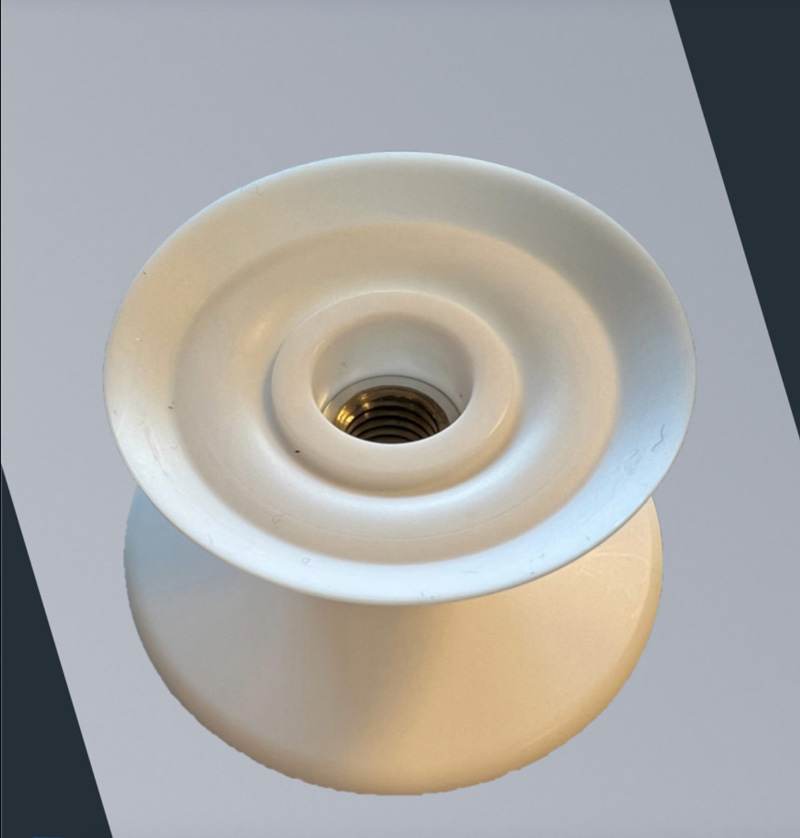
En metallinsats är ett noggrant konstruerat metallelement (till exempel en bas, kärna, bussning eller gänginsats) som integreras som en permanent del av PTFE-komponenten, så att den färdiga detaljen fungerar som en sammanhängande, tekniskt optimerad enhet.
I praktiken gör det möjligt att kombinera det bästa från två världar:
- PTFE:s låga friktion och kemikalieresistens
- Metallens styrka, styvhet och långsiktiga stabilitet
När konstruktionen utförs korrekt kan denna hybriddesign ge längre livslängd, färre utbyten och mer förutsägbar prestanda i drift.
Varför använda metallinsatser i PTFE? – För att det skapar ett verkligt värde
Att lägga till en metallinsats handlar inte bara om att göra PTFE starkare isig själv. Det handlar om att anpassa komponenten till den faktiska applikationen:
- Högre styvhet och lastkapacitet
- Förbättrat slitagemotstånd och längre livslängd
- Tillförlitliga infästningar (gängor, bultar och upprepad montering)
- Bättre dimensionsstabilitet vid krävande driftcykler
Ett klassiskt exempel är ventilsäten i hygieniska eller kemiska processystem. PTFE ger de önskade tätningsegenskaperna, medan en metallinsats förstärker strukturen så att ventilsätet behåller sin geometri – och därmed sin prestanda – över tid.
Hur blir metallinsatsen en del av komponenten?
Beroende på geometri, toleranser och produktionsvolym kan metallinsatser integreras på olika sätt:
- Ingjutning: Metalldelen placeras i verktyget och PTFE formas runt den
- Eftermontering: Insatsen monteras efter formningen genom värme, pressning eller andra metoder
Detaljerna är viktiga. Ytstrukturer som spår, räffling eller andra texturer kan förbättra den mekaniska låsningen mellan metall och PTFE och hjälpa till att förhindra rotation eller lossning under drift.
Var används metallförstärkt PTFE?
Dessa lösningar används där kemikalieresistens måste kombineras med mekanisk hållfasthet, exempelvis inom:
- Process- och kemiindustrin (ventiler, tätningar och pumpkomponenter)
- Livsmedels- och läkemedelsutrustning
- Robotteknik
- Fordons- och flygindustrin
- Industrimaskiner
Kort sagt, när drifttid, renhet och repeterbar prestanda är avgörande kan hybriddesigner i PTFE och metall vara en mycket effektiv lösning.
Tre saker att ta hänsyn till tidigt i designen
- Driftförhållanden: Media, tryck, temperatur och belastningscykel.
- Funktion: Tätningsytor, lastvägar och infästningskrav.
- Produktionsteknik: Insatsens geometri, toleranser och lämplig integrationsmetod.
Från prototyper till serieproduktion – Acoplastic hjälper gärna till
På Acoplastic arbetar vi med kunder som behöver PTFE-komponenter som presterar tillförlitligt i verkliga processmiljöer. Metallinsatslösningar kan vara en avgörande uppgradering, särskilt i komponenter som ventilsäten där geometri och stabilitet har direkt påverkan på livslängden.
Om ni överväger en PTFE-konstruktion med metallförstärkning hjälper vi gärna till med design för tillverkning (DFM), materialval och vägen från testkomponenter till stabil serieproduktion.
FAQ – Metallinsatser i PTFE-komponenter
Vad är PTFE?
PTFE (polytetrafluoreten) är en högpresterande polymer som är känd för sin höga kemikalieresistens, låga friktion och förmåga att fungera över ett brett temperaturområde. Materialet används i stor utsträckning inom processindustri, livsmedelsproduktion, läkemedelsutrustning och andra krävande miljöer.
Varför kombinera PTFE med metallinsatser?
PTFE erbjuder många fördelar, men vid höga mekaniska belastningar kan materialet deformeras eller skapa krypning över tid. Genom att integrera metallinsatser får komponenterna högre styrka, styvhet och dimensionsstabilitet samtidigt som PTFE:s låga friktion och kemikalieresistens bibehålls.
Vad är en metallinsats?
En metallinsats är ett integrerat metallelement – exempelvis en kärna, bas, bussning eller gänginsats – som blir en permanent del av PTFE-komponenten. Detta gör det möjligt att kombinera PTFE:s tribologiska egenskaper med metallens strukturella styrka.
Vilka fördelar ger metallinsatser i PTFE-komponenter?
Insättning af metall i PTFE kan ge flera fördelar, bl.a.:
- Högre styvhet och lastkapacitet
- Förbättrat slitagemotstånd och längre livslängd
- Tillförlitligare infästningar och gängförband
- Bättre dimensionsstabilitet vid upprepade belastningar
- Mer förutsägbar långtidsprestanda
Var används metallförstärkta PTFE-komponenter vanligtvis?
Metallförstärkta hybrid PTFE används ofta inom:
- Ventiler och ventilsäten inom processindustrin
- Kemiska processystem och pumpar
- Utrustning för livsmedels- och läkemedelsindustrin
- Robotapplikationer
- Fordons- och flygindustrin
- Industrimaskiner
Hur integreras metallinsatser i PTFE-komponenter?
Olika metoder används beroende på geometri, toleranser och produktionskrav.
Ingjutning: Metallinsatsen placeras i formen och PTFE formas runt den.
Eftermontering: : Insatsen monteras efteråt genom pressning, värme eller andra metoder.
Hur uppnås en stark förbindelse mellan PTFE och metall?
Ytstrukturer som spår, räffling eller textur ytor på metallinsatsen kan förbättra den mekaniska låsningen mellan materialen och bidra till att förhindra rotation eller lossning under drift.
När tillför metallinsatser störst värde?
Metallinsatser är särskilt fördelaktiga i applikationer med:
- Höga mekaniska belastningar
- Upprepade rörelser eller cykler
- Höga krav på dimensionsnoggrannhet
- Variationer i tryck och temperatu
- Krav på lång livslängd och minimala driftstopp
Vad bör tas hänsyn till tidigt i designfasen?
Tre viktiga faktorer bör identifieras tidigt:
Driftförhållanden – media, temperatur, tryck och belastningscykel.
Funktion – tätningsytor, lastvägar och infästningskrav.
Produktionsteknik – insatsens geometri, toleranser och integrationsmetod.
Kan Acoplastic hjälpa till med utveckling och produktion?
Ja. Acoplastic stödjer kunder med design för tillverkning, materialval, prototyptillverkning och uppskalning till serieproduktion av PTFE-komponenter med metallinsatser – särskilt för krävande processapplikationer såsom ventilkomponenter och ventilsäten.
Kontakta oss så utvecklar vi tillsammans en hållbar lösning.